
PRODUCT
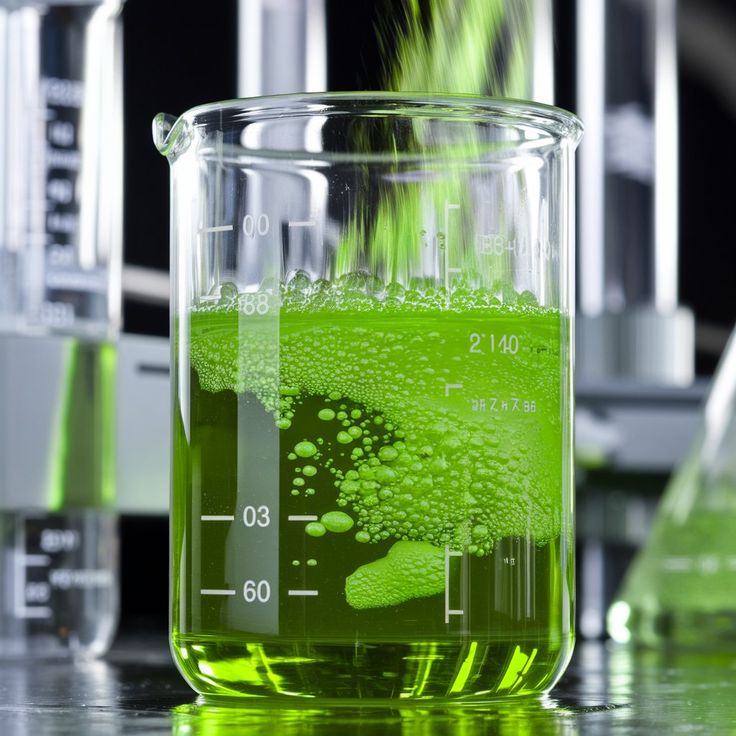
Ethoxylates
What are Ethoxylates?
Ethoxylates are chemicals formed when ethylene oxide (a reactive epoxide gas) is added in repeating units to a base molecule (called a “hydrophobe”), such as:
- Fatty alcohols → Alcohol ethoxylates
- Alkylphenols → Alkylphenol ethoxylates
- Fatty acids or amines → other specialized ethoxylates
The general structure looks like:
Hydrophobic tail + (–CH₂CH₂O–)ₙ hydrophilic chain
This makes them amphiphilic, meaning they can interact with both oil and water
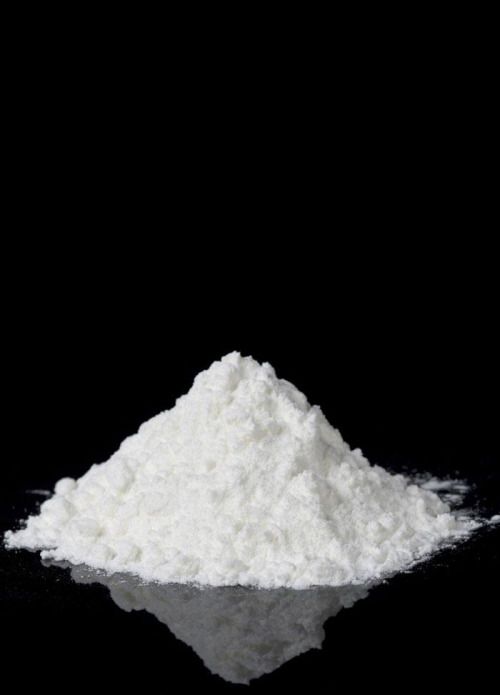
Mineral Salts
What are Mineral Salts?
Mineral salts are compounds that dissociate in water into ions (positively and negatively charged particles).
Example:
- Sodium chloride (NaCl) → Na⁺ + Cl⁻
- Calcium carbonate (CaCO₃) → Ca²⁺ + CO₃²⁻
These ions are essential for:
- Electrical conductivity
- Chemical reactions
- Biological and industrial processes
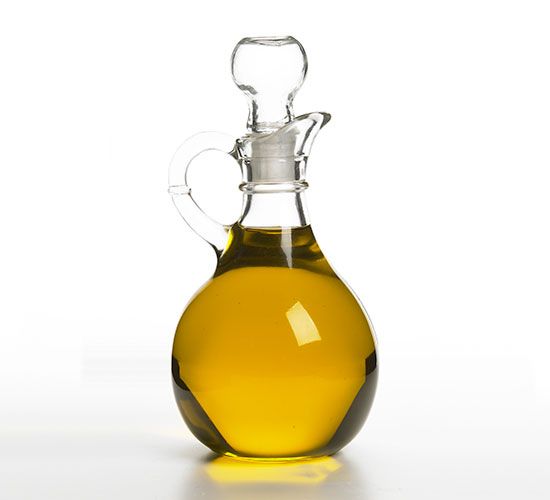
Esters
Esters (Chemical Compounds)
General Structure of Esters
Esters have this basic structure:
R–COO–R′
Where:
- R–COO– comes from a carboxylic acid
- –R′ comes from an alcohol
Example:
- Ethyl ethanoate → CH₃COOCH₂CH₃
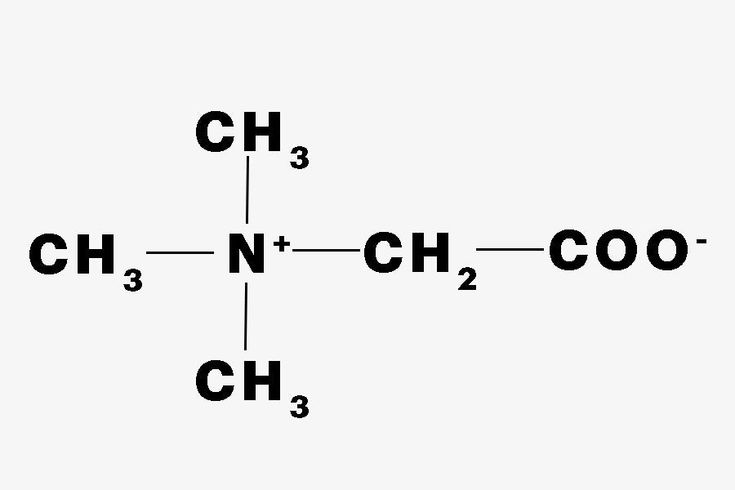
Fatty Amides & Betaine
Fatty amides are organic compounds derived from the reaction of fatty acids with amines. They contain a long hydrocarbon chain and an amide functional group, which gives them excellent surface-active properties.
Key Features:
- Act as foam boosters and stabilizers
- Improve viscosity and thickness of formulations
- Provide a smooth and creamy texture
Applications:
- Shampoos and conditioners
- Liquid soaps and body washes
- Industrial lubricants and plastic additives
Fatty amides play an important role in enhancing the performance and sensory feel of personal care and industrial products.
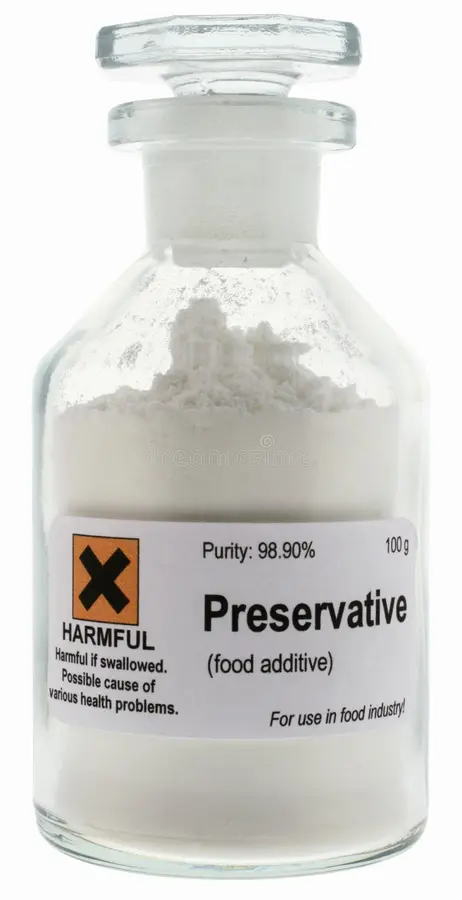
Preservatives
Key Features
- Effective antimicrobial protection
- Extends product shelf life
- Maintains product integrity and safety
- Works in a wide range of formulations
Preservative chemicals are essential ingredients used to protect products from microbial contamination by inhibiting the growth of bacteria, yeast, and mold, thereby extending shelf life and ensuring safety and stability. Common types include parabens, phenoxyethanol, organic acids (such as benzoic and sorbic acid), formaldehyde releasers, and isothiazolinones, each offering effective antimicrobial properties for a wide range of formulations. Widely used in personal care products, cosmetics, pharmaceuticals, and household applications, preservatives help maintain product quality, prevent spoilage, and ensure consumer safety when used within recommended regulatory limits.
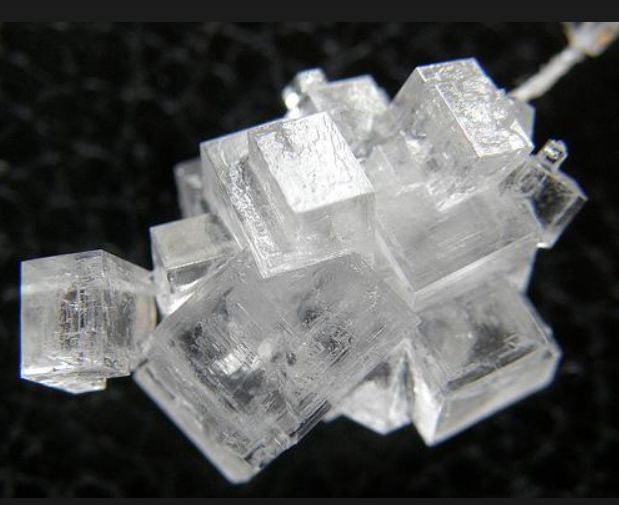
mineral salts
Key Features of Mineral Salts
- Essential source of important minerals like sodium, potassium, calcium, and magnesium
- Help in maintaining pH balance in formulations
- Provide stability and consistency to products
- Enhance texture and performance
- Offer conditioning and skin-friendly properties
- Widely compatible with various formulations
- Used across cosmetic, pharmaceutical, food, and industrial applications
Mineral salts are inorganic compounds composed of essential minerals such as sodium, potassium, calcium, magnesium, and zinc, widely used in cosmetic, pharmaceutical, food, and industrial applications. They play a vital role in maintaining product stability, enhancing texture, and supporting various functional properties such as pH regulation, thickening, and conditioning. In personal care products, mineral salts are commonly used for their cleansing, exfoliating, and skin-conditioning benefits, while in industrial and food applications they contribute to preservation, electrolyte balance, and overall performance.